

Argentina’s vivacious personality might overshadow its stunning natural beauty but look beyond the sizzle to discover unique and diverse landscapes and things to do in Argentina that capture the essence of the elements: water, fire, earth and air. Argentina is flamboyant and showy (think Evita and Maradona). Its capital, Buenos Aires pulses with tango passion and hypnotic music.
Beyond the glamour is a land of spectacular extremes, which you can see while on an Argentina road trip, from the snow-capped peaks of the Andes to the grassy Pampas plains to vineyards and desert. You could be searching for toucans in the lush north-eastern rainforest around Iguazu Falls one day and find yourself watching the Antarctic ships sail past Ushuaia, the world’s southernmost city, 24 hours later. There are so many amazing landmarks in Argentina, it’s easy to see why Argentina is one of the best countries to visit in South America.
Nothing could be a world apart from Patagonia’s frozen icy Perito Moreno Glacier as the earthy hues of the Quebrada de Humahuaca canyon. You can while away time at historic landmarks and have fun in lively restaurant precincts. Favourable exchange rates mean there are shopping bargains to be found so here are a few things to do and places to visit in Argentina.
Contents
- Argentina
- Top 3 Argentina Tours
- 25 Things to do in Argentina
- 1- Learn the Argentine tango in Buenos Aires
- 2- Visit Recoleta Cemetery
- 3- Explore Plaza Mayo
- 4- Go horse riding with the Gauchos
- 5- Take a thrilling speedboat ride to Iguazu Falls
- 6- Explore Iguazu National Park
- 7- Drink Caipirinha Cocktails in the rainforest
- 8- Cruise to the Perito Moreno Glacier
- 9- Hike Mount Fitzroy
- 10- Explore The Southernmost City In The World
- 11- Ride The Train To Tierra del Fuego
- 12- Go Hiking In Tierra del Fuego National Park
- 13- See the penguins on Martillo Island
- 14- Explore the Salinas Grandes Salt Flats
- 15- See UNESCO World Heritage Quebrada Humahuaca
- 16- Hike to Quebrada de las Conchas
- 17- Drink Malbec on a winery tour in Mendoza
- 18- Get An Adrenaline Rush River Rafting
- 19- Soak In A Spa at Termas de Cachueta
- 20- Go Horseback Riding Through The Mendoza Vineyards
- 21- Eat and Drink Like a Local
- 22- Watch A Polo Game
- 23- Watch a Pato Game
- 24- Go Fishing For Dorado
- 25- Go Skiing
- Where to stay in Argentina
Argentina
Top 3 Argentina Tours
- Piazzolla Tango Show – A classical tango show in a beautiful historic theatre with optional dinner.
- Iguazu Falls Adventure – Experiencing Iguazu Falls by boat and exploring the surrounding jungle.
- El Calafate Perito Merino Glacier tour – A breathtaking cruise and mini trekking experience.
25 Things to do in Argentina
1- Learn the Argentine tango in Buenos Aires

Pedro de Mendoza might have founded the city in the tango neighbourhood of San Telmo but it is said that Buenos Aires didn’t truly find itself until tango musician Carlos Gardel sang the first tango hit song, “Mi Noche Triste”, in 1917.
Today, the tango is danced in the streets, in milongas (or dance halls) and dazzling tango dinner shows.
There’s no other city in the world where the tango’s influence has embraced the very core of its character.
This is a city where the tango is part of the culture and a way of life and you can learn to tango with the locals here.
Here are some tips on how to experience the Argentine tango, even if you’re not keen on dancing.
- In the colourful barrio of La Boca, you can stroll through the open-air mall admiring tango art and tapping your feet as tango dancers twirl energetically on the pavement.
- Academia Nacional del Tango (Avenida de Mayo 833) has classes for all levels during weekdays at 6 pm.
- An upmarket dinner tango show costs around US$80. Some tango shows to see are Rojo Tango, Esquina Carlos Gardel or El Viejo Almacen. Check out the most popular tango show here.
2- Visit Recoleta Cemetery
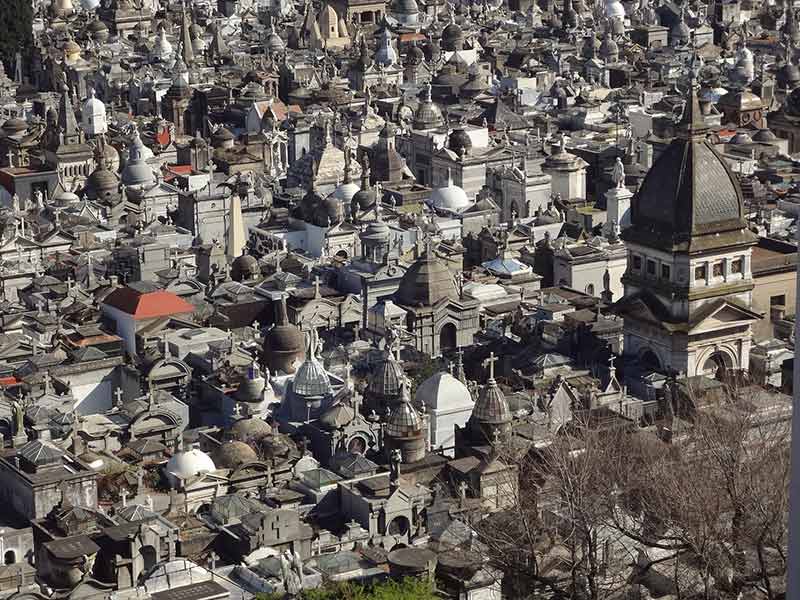
The 48 barrios in Buenos Aires (which means “good air” or “fair winds”) range from stylishly sophisticated to beguilingly bohemian.
To channel your inner Evita, book a room in the heart of fashionable Recoleta where boutiques housed within grand neoclassical buildings display this season’s European fashions.
Nearby, in the Recoleta cemetery, crowds gather around the Duarte family mausoleum, offering flowers to acknowledge Argentina’s most celebrated lady, Eva Peron.
Although most people visit the cemetery to see her grave, a walk through the graveyard is an eye-opener to the level of riches enjoyed by the Argentine elite.
Grand art nouveau, art deco and modernist-style mausoleums are the final resting places of presidents, scientists and prominent Argentine families.
You can visit the Recoleta cemetery on your own and if you choose to join an organised tour of the cemetery and learn its secrets.
3- Explore Plaza Mayo
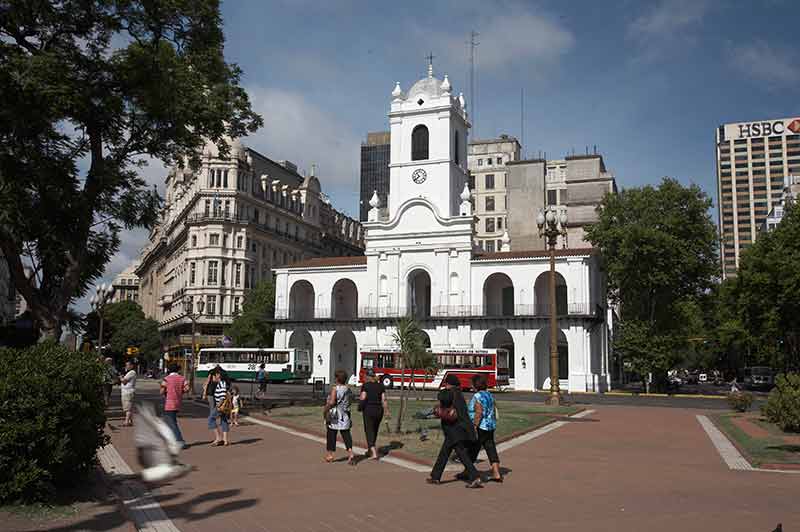
Plaza Mayo, the city’s main square, is filled with European architecture including the pink house of Casa Rosada where Juan and Eva Peron once waved at crowds from the balcony (Madonna also sang from here in the movie Evita).
The square’s most famous landmark is the baroque Cathedral Metropolitana, which contains the tomb of Argentina’s most revered hero, General Jose de San Martin.
Pedro de Mendoza founded the city in 1536 on a personally financed expedition from Spain but even after Argentina severed ties with Spain in 1810, waves of Spanish and Italian migrants continued to roll in.
The Europeans were followed by mestizos of mixed Indian and Spanish descent from other Latin American countries, infusing the city with a multicultural atmosphere.
A great way to learn more about the history of Buenos Aires is to go on a city tour like this one.
4- Go horse riding with the Gauchos
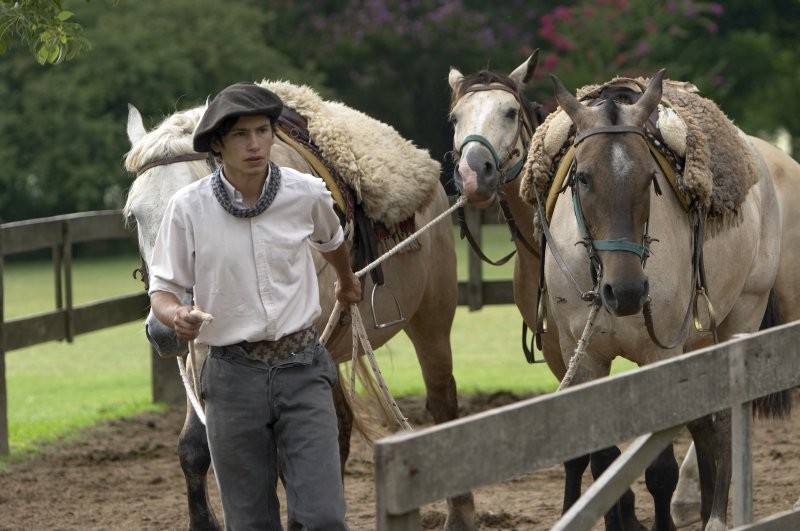
Further south, on the fertile Pampas plains, a young gaucho trots beside us in silence beside a group of riders.
Although the gaucho speaks no English, the language of horse riding is universal.
You settle into the rhythm of the earth with crumpled clothes and boots muddy from stomping around the plains at Estancia El Ombu de Areco.
The 1880s colonial mansion was built by the country’s former war minister Lieutenant General Pablo Riccheri near the rural town of San Antonio de Areco.
The Gauchos we meet live up to the image of the romantic cowboy figure dressed in baggy trousers with long-bladed knives hanging from leather silver-studded belts.
These sons of the earth eke their living from the rich pastures of the pampas.
The estancia is cosy and rustic; by gaucho standards it’s luxurious but for most people, the real luxury is the chance to experience the culture of the Gauchos.
In the evening, after dinner, an elderly gaucho pulls out a guitar and breaks into a spontaneous and soulful tune.
The melancholy allure of the music tugs at my heart and you’ll be reluctant to leave for your next destination.
You can go riding with the Gauchos as a day trip from Buenos Aires or take a day tour to San Antonio de Areco but staying at Estancia El Ombu de Areco for a couple of days is an immersive experience.
5- Take a thrilling speedboat ride to Iguazu Falls
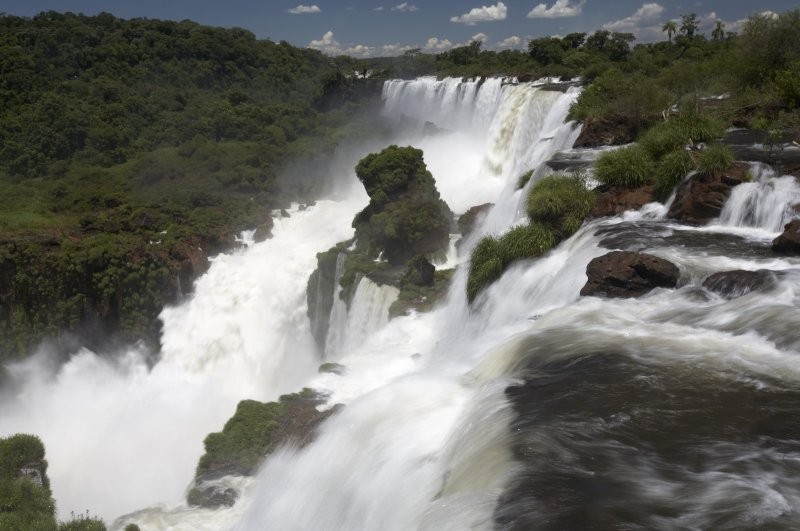
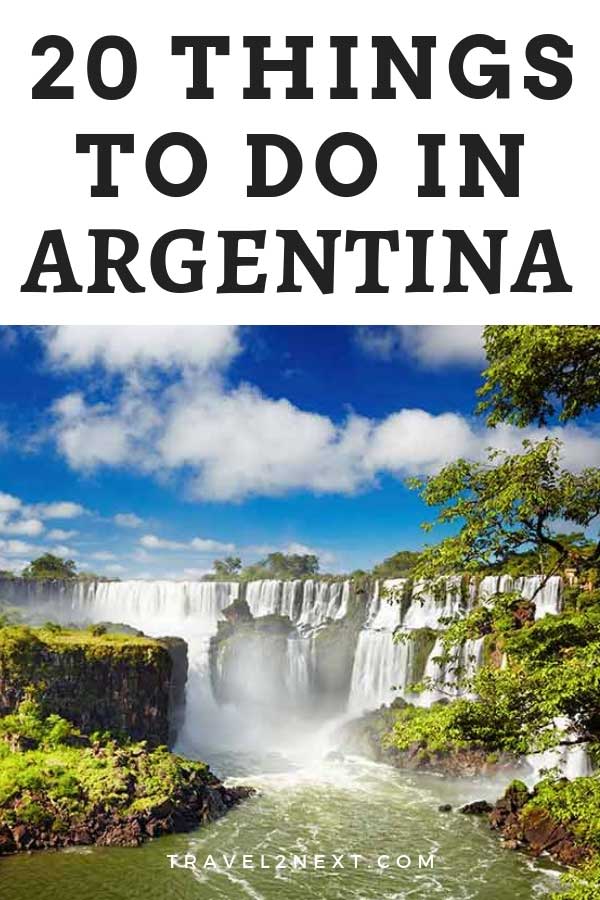
Take a thrilling speedboat ride at Iguazu Falls (Iguazu means big water), at the Brazilian border.
Iguazu Falls is a world wonder that is shared between two countries, stretching across the Misiones Province in Argentina and Parana in Brazil. It’s a stunning landmark in Brazil and Argentina.
At first, you’ll feel slightly damp from the spray of the falls but the boat soon speeds up and disappears into the swirling mist. Shut your eyes and hold your breath as the waterfall engulfs the boat.
Seconds feel like minutes, and then relief comes as the speedboat emerges safely from beneath the edge of the waterfall. “Free shower!” shouts your grinning guide.
Getting sopping wet under one of Iguazu Falls’ many waterfalls is a memorable way to soak up the atmosphere of Argentina’s most famous natural asset.
Located in the World Heritage-listed Iguazu National Park, Iguazu Falls is astounding.
During the rainy season, there are as many as 260 individual waterfalls spread in a horseshoe across the Iguazu River.
Book your Iguazu Falls boat tour here for an experience of a lifetime.
Most visitors will need two or three days to explore Iguazu Falls but if you’re short on time, it’s possible to see Iguazu as a day trip from Buenos Aires on a private tour but if you can spend longer here’s a guide to visiting Iguazu Falls from Brazil as well.
6- Explore Iguazu National Park
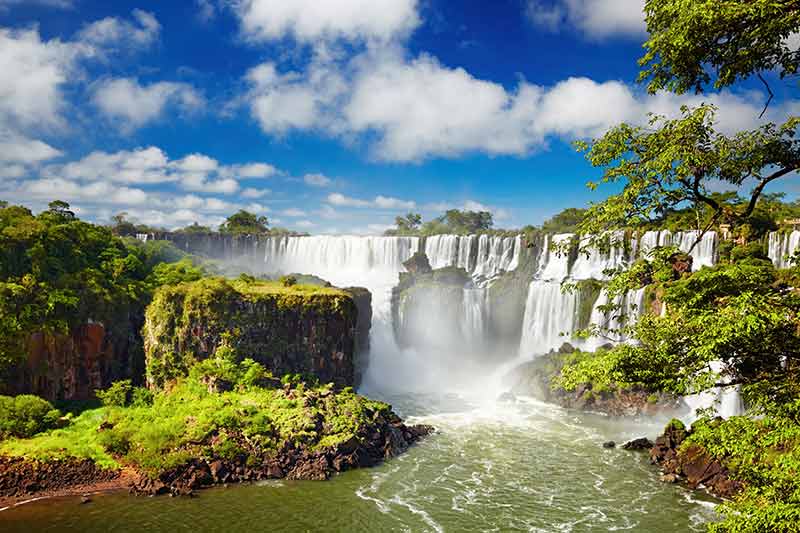
Walk along the park’s extensive timber walkways, stopping frequently to admire picturesque vistas of waterfalls framed by virgin rainforest.
The ultimate viewing spot is Garganta del Diablo, or Devil’s Throat, perched on a lookout 80 metres above the river with water gushing on three sides.
The roar is deafening and clouds of water vapour soar high into the air. It’s not difficult to see why the Guarani Indians believed these falls were created by the wrath of the forest god.
Book your Iguazu Falls sightseeing tour here.
7- Drink Caipirinha Cocktails in the rainforest
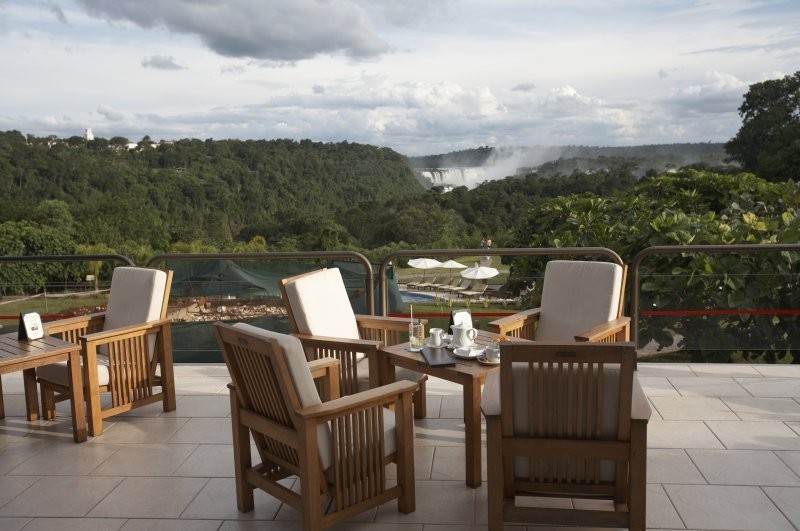
The next best view is from the balcony of your room (try the Gran Melia Iguazu in the national park) while sipping Caipirinha cocktails.
The Caipirinha cocktail is the national drink of Brazil, the other South American country straddled by Iguazu Falls.
Made from sugarcane liquor, sugar and lime, it’s a refreshing cocktail to get into the spirit of the region while gazing at the colourful Macaws flitting in the virgin rainforest.
8- Cruise to the Perito Moreno Glacier
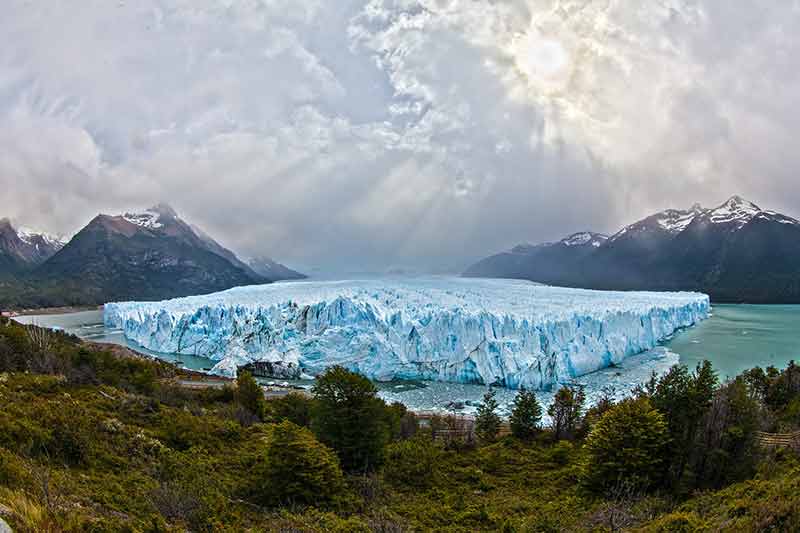
78km from El Calafate is the Perito Moreno Glacier in the UNESCO World Heritage-listed Los Glaciares National Park.
A land in the southern part of South America that is shared by Argentina and Chile, Patagonia is a stunning white wonderland with snow-covered peaks that jut towards the sky, glaciers as big and tall as skyscrapers and vast wide open plains.
The glacier is one of the most stunning natural attractions in Argentina, so there are a variety of day trips and experiences in and around the glacier.
A full-day trip to the Perito Moreno Glacier on a boat takes you almost right up to the ice.
It’s truly impressive to get up close to this enormous 30km (18.6 miles) long block of ice and even more amazing to learn that it’s the third-largest freshwater reserve on earth!
Another way to explore Perito Moreno Glacier is to take a leisurely stroll across the network of boardwalks, which has vantage points of the glacier.
9- Hike Mount Fitzroy
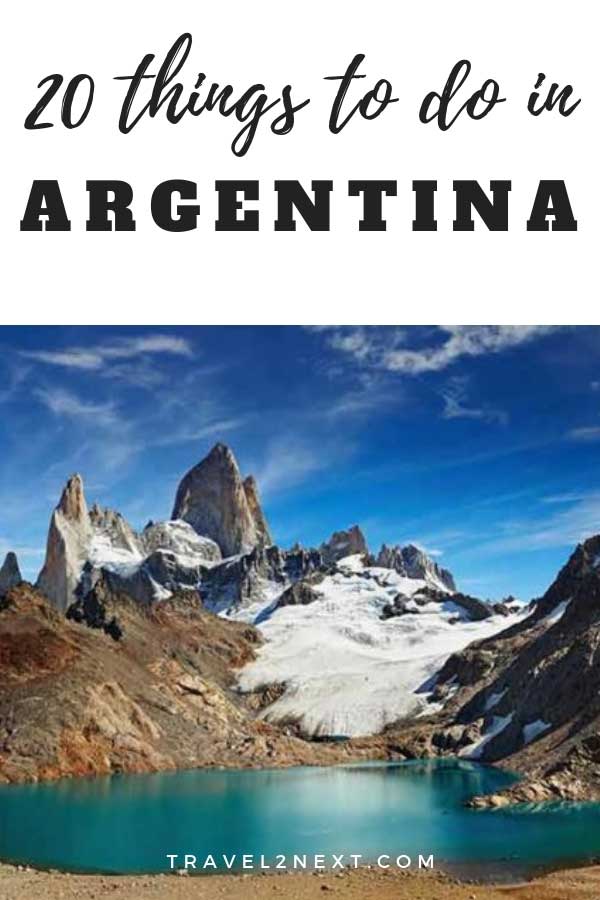
Of all the mountains around the town of El Chalten, the one to climb is Mount Fitzroy.
Hiking this mountain is a bucket list experience that offers stunning views of glaciers, Laguna de Los Tres and the lovely Fitz Roy Valley.
The hike takes you through campsites, forests, across rivers and up and down slopes.
Some paths can be fairly steep and you do need to be reasonably fit to attempt this hike.
Unless you’re an experienced hiker, it’s advisable to go with a hiking guide who knows the area. Check out these Mt Fitzroy hiking tours. If hiking all day sounds a bit too energetic, this tour from El Calafate to El Chalten is a great way to see the region.
10- Explore The Southernmost City In The World
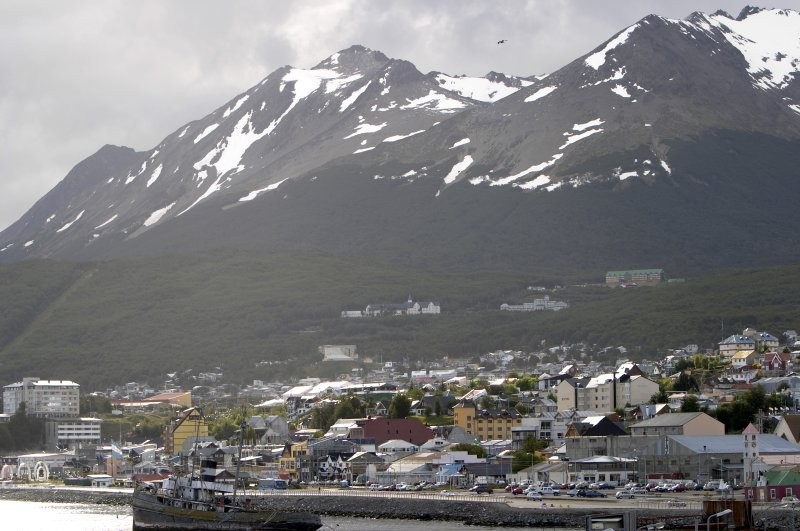
From Buenos Aires, you can fly to the end of the world.
On the southern tip of Tierra del Fuego (land of fire), facing the Beagle Channel with a picturesque backdrop of soaring glacial peaks, is Ushuaia, the world’s southernmost city.
The landscape is windswept and rugged but you’d be surprised at how many interesting things to do in Ushuaia you’ll find.
Even though it’s remote, hotels offers all the ingredients for a luxurious stay: a restaurant with an extensive wine list and superb chef, a spa and a room with a view.
Oh, what a view!
Sipping a glass of Argentine wine while watching the ships sail through the Beagle Channel is something to talk about.
Next stop Antarctica.
At the end of the world, the average rainfall is 700mm a year, and there is no dry season. Temperatures average about 0ºC in winter and 10ºC in the summer.
11- Ride The Train To Tierra del Fuego
At the train station in Parque Nacional Tierra del Fuego, squeeze into a carriage of the park’s steam locomotive.
El Tren del Fin del Mundo is a replica of a train that once shuttled prisoners to the forest to gather wood.
The park was formed in 1960 to protect 63,000 hectares of wilderness and is the only Argentine national park with a maritime coast.
The wilderness reveals vistas of soaring peaks, rivers, black-water swamps and sub-Antarctic forests.
Condors, cormorants and albatrosses swoop and glide above us.
Wild horses graze along the mountainside.
At the end of the train line, continue by car to Lago Roca where tranquil views of the lake are framed by a backdrop of snow-covered peaks.
Then stroll along the walkways at Bahia Lapataia, where a sign tells us we’re 17,848 kilometres from Alaska. Book your train ride in Tierra del Fuego here or combine the train ride with a cruise for a fantastic way to enjoy nature
12- Go Hiking In Tierra del Fuego National Park
Located at the end of the world, Tierra del Fuego National Park straddles Argentina and Chile and is one of the most pristine places on earth.
Argentina and Chile created the 63,000 ha park in 1960 to protect the Andean-Patagonian forest.
The area is a large island with two bays lined with small beaches to a scenic backdrop of mountains and valleys created by glacial erosion.
The park is at the southernmost tip of the South American continent and has lenga and guindo Nothofagus forests.
Lapataia and Ensenada Bays are rich in wildlife and beaches that attract white cauquens seabirds.
Other birdlife includes black eyebrowed albatross, which grow to over two meters in wingspan, steam ducks and diving petrels.
A rare type of otter called the chungungo also calls this area home, along with the guanaco, a variety of the red fox.
Canadian beavers were introduced and have harmed the environment by destroying trees and creating flooding through the dams.
Other wildlife includes sea lions, owls, condors, kingfishers, seagulls and beautiful tiny fire crown hummingbirds. And the region is famous for trout fishing here.
There are still traces of the primitive inhabitants of the area, known as the yámanas, who lived around Lapataia Bay.
As they mainly ate seafood, their dieting patterns affected marine life, and today you can find concheros, which are circles where molluscs accumulated, marking the settlement areas.
Access to the park is 11 km to the west of Ushuaia, and you can camp in the park or visit for day hikes such as:
- The Black Lagoon path is near the entrance and worth a walk because the lagoon’s water is dark from peat.
- Take a walk through the lenga forest to the Lookout, which has stunning views of Lapataia Bay.
- Walk along Los Castores stream to see beaver dams and learn how these dams have had an environmental impact.
- The De La Isla path is an 800 m walk around the Cormoranes archipelago, Lapataia Bay and Ovando Bay.
13- See the penguins on Martillo Island
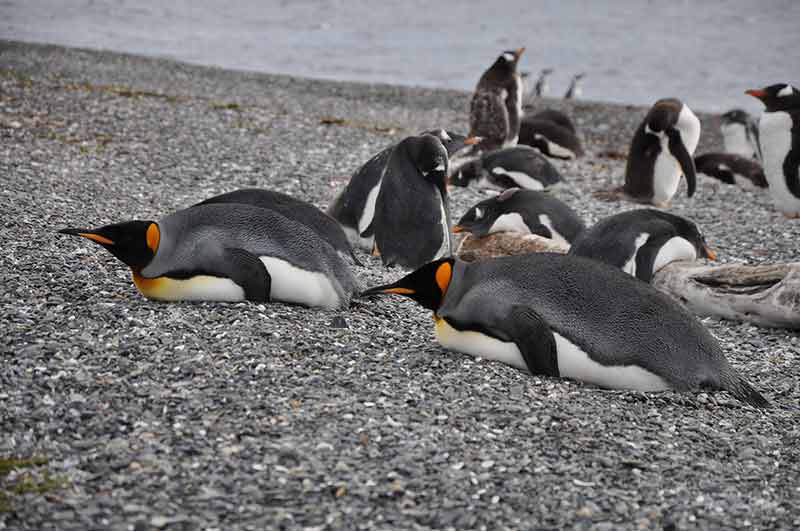
If you’re not planning to go to Antarctica, visit the Magellanic and Gentoo penguin rookery on Martillo Island.
Martillo Island is an attraction that is perfect for nature lovers and an opportunity to observe the antics of South American birdlife.
The rookery has more than 1000 nests with penguins, South American terns, skúas, petrels, cormorants and vultures.
The historic Estancia Harberton is one the way and most tour companies will include a visit to this station, which has lovely gardens and buildings that are full of history.
This penguin-watching tour by catamaran will get you up close.
14- Explore the Salinas Grandes Salt Flats
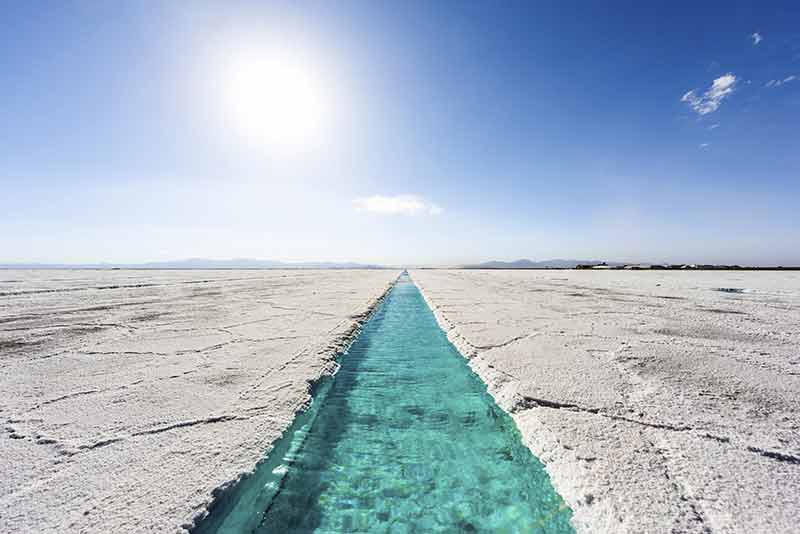
Argentina’s Salinas Grandes Salt Flats may not be as well-known as the salt flats of Bolivia but they are every bit as amazing.
On the way, pay a visit to the picturesque town of Purmamarca, with its 17th-century church, and the lovely backdrop of Cerro de Los Siete Colores (Hill of Seven Colors).
The combination of shimmering salt flats and cute villages makes this part of Argentina an interesting place to visit. Check out this tour for a full day of fun.
15- See UNESCO World Heritage Quebrada Humahuaca
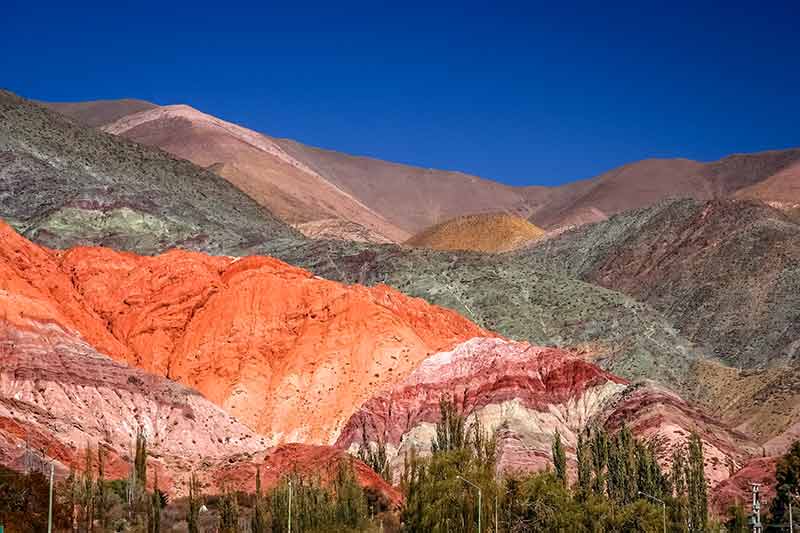
The dramatic Quebrada de Humahuaca canyon is a stunning landmark in Argentina for its multicoloured rocks formed millions of years ago by mineral deposits.
The town was once a stop on a major trading route and the region has been inhabited for over 10,000 years.
Most travellers join a tour from Salta but if you have a sense of adventure, taking a public bus from Salta or Jujuy is an authentic way to explore the region as Quebrada de Humahuaca, Purmamarca and Humahuaca are on the local bus route.
16- Hike to Quebrada de las Conchas
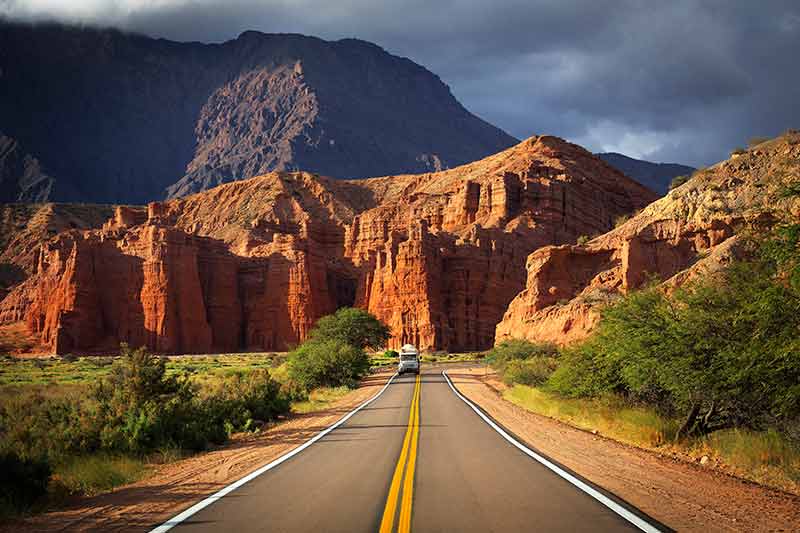
A road trip from Salta to Cafayate through the Lerma Valley is a journey through stunning scenery.
The carved rock formations of the Quebrada de las Conchas is an amazing sight on the road (think Arizona or Ayers Rock!).
A great way to explore is to hike from Calafate to Quebrada de las Conchas as it’s easy hiking with plenty of scenic viewpoints with intriguing names, such as Garganta del Diablo and the Amphitheatre.
If you’re looking for an adventure, rent a bicycle and try cycling the Quebrada de las Conchas.
Besides stunning desert-like scenery, Cafayate is an excellent wine region famous for Torrontes, which is a white wine that is unique to Argentina. This full-day tour includes a visit to Quebrada de las Conchas and wine tasting.
17- Drink Malbec on a winery tour in Mendoza
Argentina’s Mendoza wine region is famous for its Malbec and a tour of a few wineries is a great way to get your palate accustomed to this wine varietal.
While there are a number of other wine regions in Argentina, Mendoza is the best to visit if you’re serious about wine.
While travelling around you’ll also be rewarded by the spectacular landscape of the Andes.
Mendoza has a range of wine and food-based attractions, from simple family-run eateries to restaurants run by celebrity chefs and luxury hotels.
The winemaking scene is also diverse, with garagistas (garage winemakers) and well-known brands both making some of the best wine in South America.
If you’re keen on an English-speaking guide, try this tour to learn about the winemaking process in Argentina and drink wine in the Luján de Cuyo region.
18- Get An Adrenaline Rush River Rafting
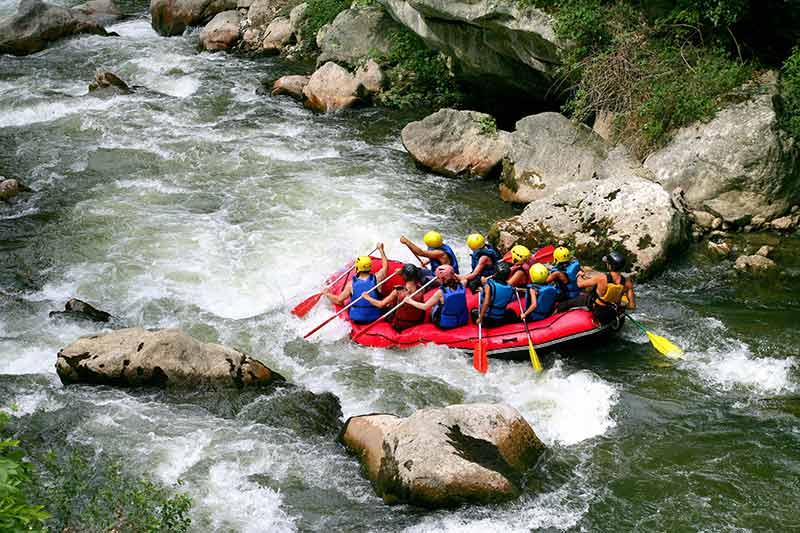
Shoot the rapids on the Mendoza River and enjoy the scenery as you shoot through the Potrerillos Valley (rapids are Class II to Class IV).
Whitewater rafting is a fun adventure that will give you a workout and an adrenaline rush.
If you’re visiting Argentina with the family, children over 10 years of age can take part in this activity too.
Check out these river rafting adventures for an experience you won’t forget!
19- Soak In A Spa at Termas de Cachueta
Termas de Cachueta is a grotto sauna with natural thermal spas and mud baths, both indoors and outside.
If you just need some downtime you can visit the spa as a day trip but an excellent way to recover from drinking all that Malbec is to book into the resort for a
Here are some spa experiences in Mendoza to put on your to-do list.
20- Go Horseback Riding Through The Mendoza Vineyards
Riding with the Argentine Gauchos through the fields and vineyards of the Uco Valley.
These traditional Argentine cowboys are experts on horseback and will take you riding through the Andes and vineyards.
Here is an excellent horseback riding tour through the vineyards in Mendoza.
21- Eat and Drink Like a Local
Dining out in Argentina is tasty and inexpensive.
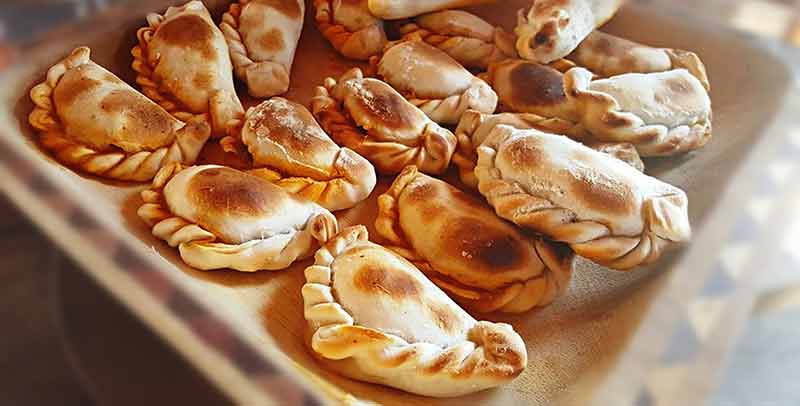
A country where the locals live life to its fullest, the three things to taste when visiting Argentina are steak, wine (how about a wine-based cocktail?) and empanadas.
Empanadas are petite-sized calzones with various fillings and are cheap and tasty.
It’s a good idea to brush up on your Spanish (or at least learn a few useful phrases) as the staff in most places, even in Buenos Aires, don’t speak much English.
After a couple of days in Argentina, we quickly learned to order cafe con leche (coffee with milk) and submarino (the Argentine version of hot chocolate).
Pointing at the food menu works pretty well if you’re a meat-lover as there’s a high chance you might be ordering a fine Argentinean steak.
Treat yourself to this Argentine gastronomical experience, where you will learn to make your own dishes as well as delve into the country’s gourmet culture.
22- Watch A Polo Game
While polo remains a popular sport in many countries throughout the world, there is no question that Argentina is home to the best players on an international level.
Since 1949, Argentina has consistently been the World Champion in this exclusive and exciting game.
Buenos Aires is home to the Argentine Polo Open Championship, which begins in August and continues through December.
This is the most important international polo event, and it has taken place annually since 1893.
The event has been held in the Campo Argentino de Polo, popularly known as the “Cathedral of Polo”, since 1928.
Campo Argentino de Polo is also the America’s Polo Cup venue, a competition where the best team from the United States plays the best from Argentina.
The sport, while thousands of years old, became the polo we know today in England, but it quickly made its way to the New World, where Argentine players adopted a version of the game, known initially as pato, and finally became excellent polo players.
The game, which can be pretty expensive when played seriously, is unique in that amateur players often play along with seasoned professionals.
While many fans and players are trying to make polo a more accessible sport, it demands a financial commitment that it is reserved for either the wealthy or those who take it as a serious hobby.
The game consists of four players, each mounted on horseback.
The horses must be of a certain quality and size and are traditionally called polo ponies, although they are, in fact, full-sized horses.
They must be 14.2 to 16 hands at the withers, and the most valued characteristics are speed, stamina, agility and maneuverability.
Furthermore, the animal’s disposition is fundamental, as they must handle the extreme pressure and not be too excited or difficult to control.
Some of the most sought-after horses in the world are Argentine, locally known as petisos.
While there are only four players in polo, there are between four and eight horses used. A well-trained horse can account for around 75% of a player-horse team’s success, so the horses must be in top condition.
The games are broken up into periods known as chuckers; the most common is six chukkas of seven minutes each.
Each of whom holds a different position with different responsibilities, players work to hit a small wooden ball with a mallet, aiming to get the ball through one of the goals at the opposite ends of the field.
Argentina, as an international frontrunner in the sport, is currently home to over 3000 polo players.
As a result, there is much national support for the game. While the game may not be completely accessible to play, it is very accessible for spectators, especially during the Polo Open.
Polo has also made its way into Argentine fashion, with polo outfitting stores throughout the city.
Argentines are proud of their world standing in this unique sport, and while less than 20 countries worldwide play it professionally, Argentina remains the undisputed champion.
23- Watch a Pato Game
Pato, or “duck” in Spanish, is an Argentine sport and the country’s national sport.
The historic game has been played since 1610, and in the original game, a live duck was sewn into a leather skin with handles, making a ball, but with its head hanging out!
The game began with two players tugging on the handles until one gained control of the ball and ran off on horseback towards the goal.
The aim is for one team to make it to the goal post with the ball.
The game started as a challenge between two estancias, where the team first to reach their ranch was the winner.
Pato used to be a violent ga,e where players were often trampled or killed in mid-game knife fights.
Fortunately, the game has evolved over the years, and during the 19th-century, the game became illegal.
In the 1930s, ranch owner Alberto del Castillo Posse drafted a new set of rules, and President Juan Peron declared this historical game as the national game of Argentina in 1953.
Ducks are no longer involved, and the ball (known as a pato) retains six handles and two teams of four members riding on horseback, trying to tug the ball away from the other team.
If a member has possession of the pato, he is required to ride with his hand outstretched, allowing their players to attempt to steal it away.
At the end, they must deposit the pato into a vertical, basketball hoop-like ring at opposing ends of the field.
Pato is played both competitively and by amateurs within Argentina, but mostly at weekend fairs and rodeos.
24- Go Fishing For Dorado
Argentina is a land of rivers and lakes, with various fish that thrive in a range of climates across the land.
Northern Argentina’s subtropical climate is perfect for trout and dorado, a fish with sharp teeth that eat other fish, including piranhas.
Fishing for dorado is quite a challenge.
The natives believe the dorado fish held the spirit of the gods, and even the Spanish realised this was a unique fish with a fighting spirit.
Today, two festivals are held each year to celebrate this fish, both practice catch-and-release, one in Entre Ríos and one in Corrientes.
Fishing at these festivals is a fantastic way to delve into the local angler culture.
The provinces of Salta, Santiago del Estero and Corrientes, have several large rivers to fish in.
The best season is during the dry season, from March to November, because the water is clear and there are rocky pools along the river.
The Parana River in eastern Argentina is also full of dorado and pacu, and surubi fish.
Other places to fish are the Cabral Corral dyke in Salta (for pejerrey and wolf fish) and Concordía, in the province of Entre Ríos, is the best fishing area on the Uruguay River.
25- Go Skiing
Argentina is home to the Andes mountains, the majestic range that runs through the whole of this great continent.
Lining the western side of the country, the mountains are home to some of the best skiing in the world.
No matter where you are staying in Argentina, most of the major ski resorts and towns are easily accessible.
Even the farthest resorts are a two or three-hour domestic flight away from Buenos Aires.
Each winter (June through early October), locals and tourists flock to the slopes to get a taste of powder.
The last two weeks of July are national holidays in both Chile and Argentina, so the resorts are especially busy at this time, and prices often go up with the influx of visitors.
There are several major ski resorts, the northernmost being Penitentes and Las Leñas, both situated close to the wine lover’s paradise of Mendoza.
- Penitentes is overlooked by Mount Aconcagua, the highest summit in South America.
- Las Leñas is the country’s highest ski resort, and its snow quality is simply unbeatable, with dozens of trails for all skill levels and areas for off-piste practice and cross-country skiing.
- Cerro Catedral is the largest ski resort in the Southern Hemisphere. Book your lift passes and ski equipment in advance.
Where to stay in Argentina
Palacio Duhau – Park Hyatt
Palacio Duhau – Park Hyatt, Buenos Aires is a sleek hotel in upscale Recoleta.
As our car pulls up in front of an elegant imperial building with soaring marble columns, I survey our crumpled clothes in dismay.
A smartly dressed doorman opens the car door with his white-gloved hand and ushers us into one of the city’s most glamorous hotels, the sleek Palacio Duhau – Park Hyatt.
It’s a former historic mansion, once the home of a wealthy family, recently revamped and extended to incorporate a gleaming new limestone tower.
The hotel is worth visiting just to peruse the significant array of art hanging in its public spaces; there’s an underground art gallery as well as lobbies and restaurants which showcase original South American paintings and sculptures.
Faena Hotel & Universe
Faena Hotel & Universe, Buenos Aires is a historic red brick granary transformed with Phillip Starck’s bold designs. Rooms from US$455.
Mansion Dandi Royal
Mansion Dandi Royal, Buenos Aires is a boutique tango hotel in eclectic San Telmo.
Book your stay in Buenos Aires here
Estancia El Ombu
Estancia El Ombu, San Antonio de Areco is a historic estancia where you can ride a horse alongside a gaucho. US$150 per person per night (twin-share) includes meals and horse riding.
Book your stay at San Antonio de Areco here
Gran Melia Iguazu
Gran Melia Iguazu has an enviable position in the national park with views of Iguazu Falls.
Book your Puerto Iguazu hotel here
The tourism board of Argentina has more suggestions and check out this guide for more about the country.
For more things to do in South America see:
- 20 Things To Do In Argentina
- 15 Things To Do In Buenos Aires
- 15 Incredible Things To Do In Brazil
- 15 Things To Do In Ushuaia
- 20 Things To Do in Peru
- 15 Things To Do in Lima
- 15 Things To Do in Patagonia
- 15 Things To Do In Santiago
- 15 Things To Do In Quito
The Argentina video in this post was created by InVideo
Plan Your Trip

Rent A Car – Find the best car rental rates at Discover Cars. They compare car hire companies to provide you with the best deal right now.

Find A Hotel – If you’re curious about this article and are looking for somewhere to stay, take a look at these amazing hotels.